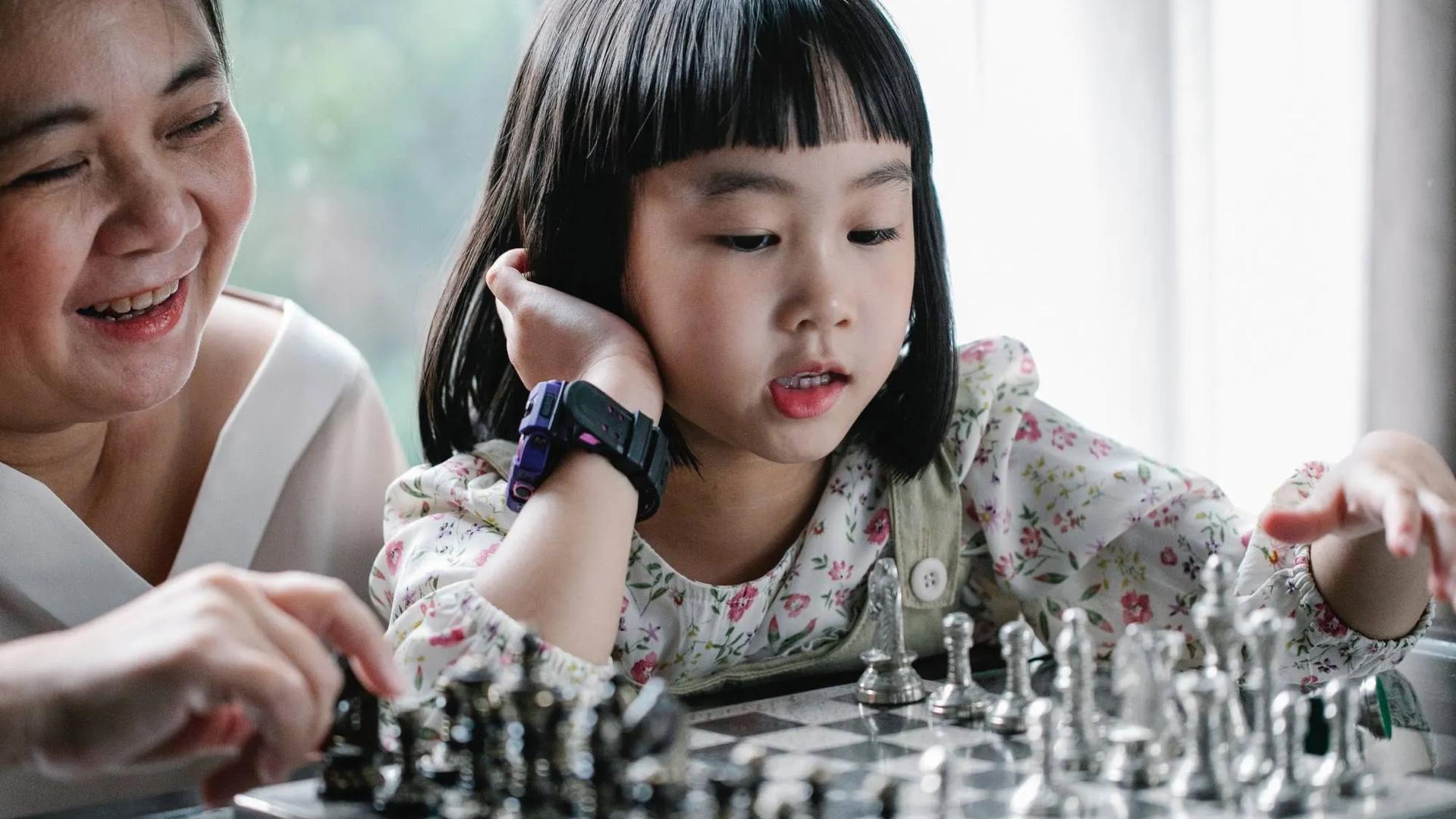
Parents often ask what age a child should start chess.
There is no single perfect number. Readiness matters more than age. However, many children can begin learning chess as early as three or four years old when the teaching approach is adapted to their developmental stage.
At that age, chess for kids is not about deep strategy. It is about learning how the pieces move, taking turns, improving focus, and developing patience in a structured but playful way.
Ages 3 to 5
Very young children can start with:
Learning how each piece moves
Recognising simple threats
Building short attention spans
Practising turn taking and discipline
Chess at this stage strengthens concentration and listening skills. Sessions should be short, interactive, and pressure free.
Ages 6 to 8
This is often an ideal age to begin structured kids chess lessons. Children in this range can:
Understand simple plans
Recognise tactical patterns
Follow multi step instructions
Start thinking ahead
Good chess classes for kids at this stage focus on fundamentals. Strong foundations early prevent confusion later.
Ages 9 and Above
Older children are capable of deeper understanding, including:
Calculation
Positional play
Endgame technique
Game analysis
At this level, chess becomes more analytical and competitive. With consistency and proper guidance, progress can be significant.
Can Children Really Beat Adults
Yes.
Chess history is full of examples of young players competing successfully against adults.
Abhimanyu Mishra became the youngest grandmaster in history at just 12 years old. Before him, Sergey Karjakin earned the grandmaster title at 12 as well. Gukesh Dommaraju became one of the youngest elite players in the world and later reached the very top level of competitive chess.
In the UK, young talents such as Bodhana Sivanandan have made national headlines for achieving exceptional results at a very early age.
There are also countless examples of talented children defeating adult players in rated tournaments. Chess does not separate players by age. Strength is determined by understanding and discipline, not years lived.
Is Earlier Always Better
Not necessarily.
Starting early only helps if the child enjoys the process. A motivated seven year old often progresses faster than an uninterested four year old.
The key factors are:
Attention span
Curiosity
Willingness to think
Emotional readiness
Chess for children should build confidence, not pressure.
Final Thought
The best age to start chess is when a child is ready to focus for short periods and shows genuine interest.
Some children begin at three. Others at seven. Both can succeed.
With structured learning and consistent practice, children can develop focus, resilience, and strategic thinking that benefits them far beyond the chess board.